
The Benefits Of Real Estate Investing

Investing Real estate has always been a cornerstone of wealth building, both in America and around the world, and this for many reasons. While investing in the stock market, bonds, and private equity each have their merits, real estate provides a compelling combination of tangible value, income potential, and active control that can’t be matched elsewhere.
In this post, we explore and discuss ten key benefits of real estate investing, delving into why property ownership continues to be a favored strategy for both novice and seasoned investors alike.
We’ll explore everything from the potential for passive income to the power of leverage, and how these factors can contribute to long-term wealth building. Whether you’re a curious newcomer or a seasoned investor looking to refine your approach, understanding what makes real estate investments great can help you make more informed decisions about incorporating it into your investment mix.
So, let’s embark on this exploration of bricks, mortar, and financial opportunity – you might just find yourself viewing the property market in a whole new light.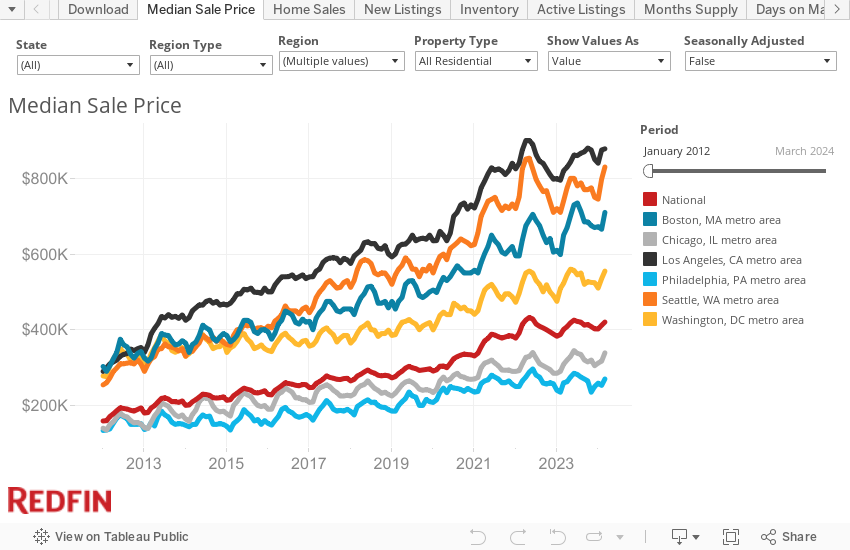
10 Benefits of Real Estate Investing
1. You’re investing in a Tangible asset
Let’s start with the obvious, investing in real estate offers a unique advantage that many other investment vehicles simply can’t match: the tangible nature of the asset. There’s something undeniably satisfying about being able to physically touch, see, and even walk through your investment. Unlike stocks or bonds, which exist primarily as numbers on a screen or paper certificates tucked away in a drawer, real estate is as real as it gets.
But this tangibility provides more than just a sense of satisfaction; it offers practical benefits too. For one, it’s much easier to understand and assess the value of a physical property than it is to decipher the complex financial statements of a corporation. You can inspect the building, evaluate its condition, and get a clear sense of its worth in your local market. This transparency can be particularly reassuring during economic uncertainties when the value of more abstract investments might seem nebulous.
More importantly, as a physical asset, you can maintain and improve real estate, allowing you to directly influence its value (what real estate investors also call “forced appreciation” – See Point 8 below). Whether it’s a simple fresh coat of paint, a kitchen renovation, or a complete overhaul of your real estate property, these concrete improvements can translate into real profit. It’s this hands-on aspect of real estate that many investors find not only profitable but also deeply satisfying. After all, you can’t exactly renovate a stock portfolio, can you?
2. Potential for passive income
The potential for passive income usually stands out as one of the most compelling benefits of real estate investing. It offers a pathway to financial independence that few other investment vehicles can match, by providing a steady stream of revenue that requires relatively minimal ongoing effort (if you do things right!).
When you invest in rental properties, you’re essentially creating your own income-generating asset. Each month, tenants pay rent, contributing to a consistent cash flow that should, if you’ve done the math right, cover mortgage payments, property taxes, and maintenance costs, often with a surplus that translates to profit.
This regular income stream can be particularly attractive for those looking to build long-term wealth or supplement their existing income sources. As mortgages are paid down and rents potentially increase over time, the net rental income from these properties can grow substantially. This scalable nature of real estate investing allows investors to gradually build a portfolio of income-producing assets, potentially reaching a point where the cumulative passive income can support their desired lifestyle or retirement goals.
While it’s important to note that property management does require some level of attention and effort, with proper systems and potentially professional management in place, real estate can provide a significantly more passive income source compared to many traditional employment or business ventures. This aspect of real estate investing can therefore align well with the goal of creating multiple income streams and achieving greater financial flexibility.
3. Investing in Real Estate Offers Tax benefits
Let’s now talk about everyone’s favorite topic: taxes. Just kidding – but when it comes to real estate investing, the tax benefits are genuinely something to get excited about. In fact, the tax advantages of real estate investing are so substantial that they can significantly boost your overall returns, making your property investment even more attractive.
Real estate investing offers many tax deductions that can help reduce your taxable income. You can deduct mortgage interest, property taxes, operating expenses, and even the wear and tear on your property through depreciation. It’s like the IRS is giving you a pat on the back for being a property owner.
But there’s more! Strategies like the 1031 exchange allow you to defer capital gains taxes when you sell one property and reinvest in another. It’s almost as if you’re playing a game of financial hot potato, but instead of getting burned, you’re keeping more money in your pocket. These tax benefits not only improve your cash flow but can also accelerate your wealth accumulation over time.
Of course, tax laws can be as complex so it’s crucial to consult with a tax professional to fully leverage these advantages. Nonetheless, when it comes to tax-efficient investing, real estate often leaves other investment options in the dust, making it an attractive choice for those looking to optimize their financial strategy.
4. You Can Use Financial Leverage
Leverage in real estate investing is, in my opinion, the main benefit of real estate investing over other forms of investments, like stocks, bonds, etc. For a seasoned investor, leverage is a financial superpower.
Financial leverage is the ability to control a substantial asset with a relatively small amount of your own money. Here’s where it gets really interesting: when you use leverage, your returns can be significantly amplified.
Let’s say you put 20% down on a $500,000 property, and it appreciates by 5% in a year. That $25,000 increase in value represents a 25% return on your initial $100,000 investment. Of course, it’s crucial to remember that leverage is a double-edged sword. Just as it can amplify gains, it can also magnify losses if property values decline.
However, for savvy investors who do their due diligence and invest in sound assets located in solid markets, leverage can be a powerful tool for building wealth. It enables you to acquire more properties or larger properties than you could with cash alone, potentially accelerating your path to financial freedom.
In essence, leverage in real estate investing gives you the opportunity to punch above your financial weight class, making it possible to build a substantial portfolio even if you’re not starting with a fortune in the bank.

5. Your Property is A Direct Inflation Hedge
Unlike many other investments that struggle to keep pace with rising prices, real estate tends to march in step with – or even outpace – inflation. As the cost of living increases, so do property values and rents. This means the actual value of your investment is preserved or even enhanced over time, rather than being quietly nibbled away by inflation’s persistent teeth.
For instance, if you’re collecting rent from tenants, you have the ability to raise rents periodically to keep up with increasing costs and market rates. Meanwhile, if you’ve financed your property with a fixed-rate mortgage, inflation actually works in your favor by effectively reducing the real cost of your debt over time. You’re essentially paying back your loan with cheaper dollars.
This inflation-hedging quality of real estate makes it an attractive option for long-term investors looking to preserve their purchasing power and build lasting wealth.
In a world where the value of a dollar tomorrow is almost guaranteed to be less than it is today, real estate stands as a robust fortress, protecting your financial future from the eroding forces of inflation.
6. You Have Control Over Your Investment
Unlike many other investments, real estate offers a high degree of control. As a property owner, you have the power to directly influence your investment’s performance. You can increase a property’s value through renovations, improve its cash flow by raising rents or reducing expenses, or change its use to better suit market demands. You can also market your assets as you wish and optimize every aspect of your investment.
This level of control allows savvy investors to actively manage and improve their investments, potentially leading to higher returns. It also means you’re not at the mercy of corporate management decisions or market whims to the same extent as with stocks. You’re basically the captain on board, which is a definite upside if you know what you’re doing!
7. It Increases Diversification of Your Portfolio
Real estate typically has a low correlation with other major asset classes, particularly stocks and bonds. This makes it an excellent tool for portfolio diversification.
By including real estate in your investment portfolio, you can potentially reduce overall portfolio volatility and risk. During times when stocks are underperforming, real estate might be stable or even appreciating, helping to balance out your overall returns. This diversification benefit is one reason why many financial advisors recommend including real estate as part of a well-rounded investment strategy.
8. You Can Use Forced appreciation
While market forces play a significant role in property appreciation, real estate investors have the unique ability to force appreciation through strategic improvements and better management.
By renovating a property, adding amenities, or improving its operational efficiency, investors can directly increase its value. This contrasts with stock investments, where an individual investor typically can’t influence the company’s performance. Forced appreciation allows investors to actively create value rather than passively waiting for market appreciation.
9. You Can Follow Multiple strategies
Real estate investing offers a wide range of strategies to suit different goals, risk tolerances, and levels of involvement. You can flip investment properties for quick profits, hold and rent for long-term income and appreciation, wholesale deals to other investors, or develop raw land.
Each strategy has its own risk-reward profile and required level of expertise. This variety allows investors to adapt their approach as market conditions change or as their personal situation evolves. It also means that real estate can be attractive to both hands-on investors who enjoy active management and those who prefer a more passive approach.
10. Real Estate Benefits from Lower volatility
Compared to the stock market, real estate prices typically exhibit lower day-to-day volatility. While real estate markets do experience cycles and can have significant price movements over longer periods, these changes tend to be more gradual.
This lower volatility can make real estate a more stable and predictable investment, which can be particularly appealing to risk-averse investors or those nearing retirement. It also means that real estate investors are less likely to make emotional decisions based on short-term market fluctuations, which can be a common pitfall in stock market investing.
The Limits of Real Estate Investing
As we’ve seen, real estate investing offers a compelling story whose benefits can significantly contribute to building long-term wealth and financial security. However, like any investment strategy, real estate requires careful consideration, thorough research, and diligent analysis. Each property presents its own set of challenges and opportunities, and success in real estate investing often hinges on making informed decisions based on solid data and projections.
To help you get started on your real estate investment journey or to enhance your existing portfolio, we’ve created a comprehensive Excel spreadsheet designed to help you analyze potential real estate investments. This powerful tool will guide you through the process of analyzing real estate investments by automatically generating cash flow projections, return on investment calculations, and sensitivity analyses.
So take the next step in your real estate investing journey:

Estimate how much cash flow your property can generate with our free Rental Property Analysis Spreadsheet
This user-friendly tool will help you:
- Understand if a property is worth buying
- Calculate potential return on any property
- Compare different investment scenarios
- Estimate cash flow and profitability
- Analyze the impact of different mortgage and financial terms
- Assess the effects of property appreciation and other macro factors over time
Don’t leave your real estate investments to chance. Arm yourself with the data and insights you need to make confident, informed decisions. Download our spreadsheet today and start maximizing your real estate investment potential!
Remember, while this spreadsheet is a valuable resource, it’s always advisable to consult with financial advisors, real estate professionals, and legal experts before making significant investment decisions. Happy investing!
By the way, if you’re more into short-term rental and Airbnb, we’ve got you covered too:


